

How to Choose the Right Inverted Microscope
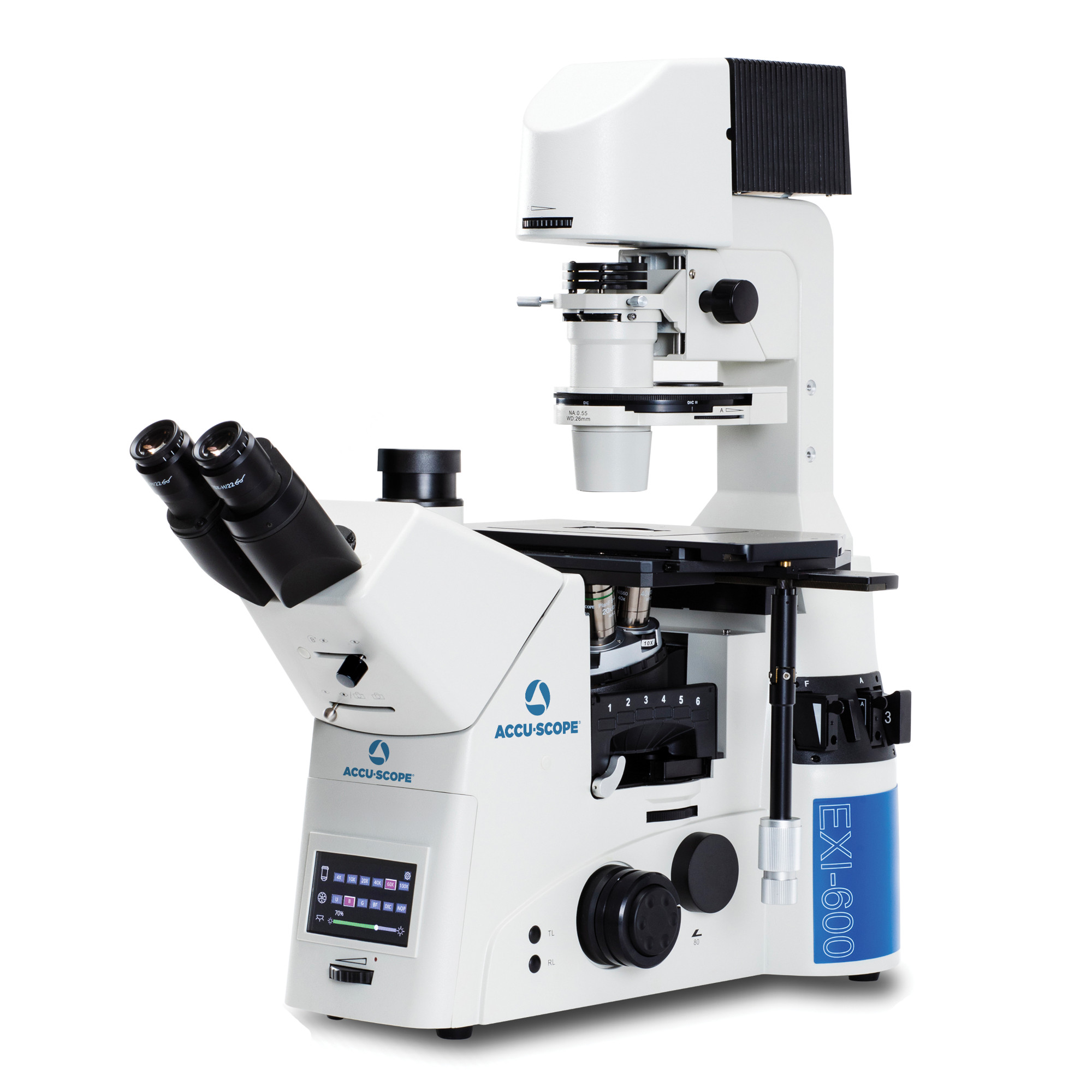
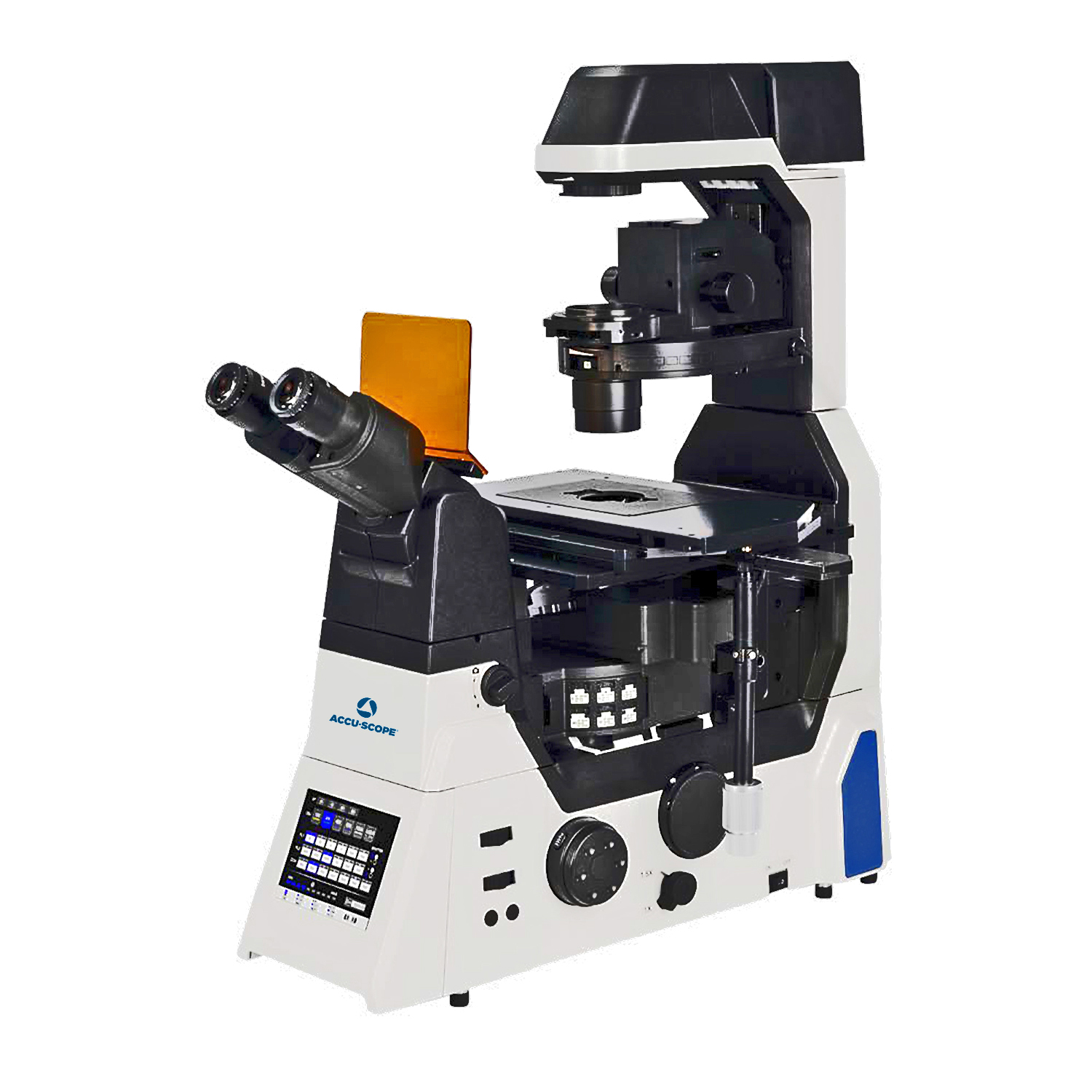
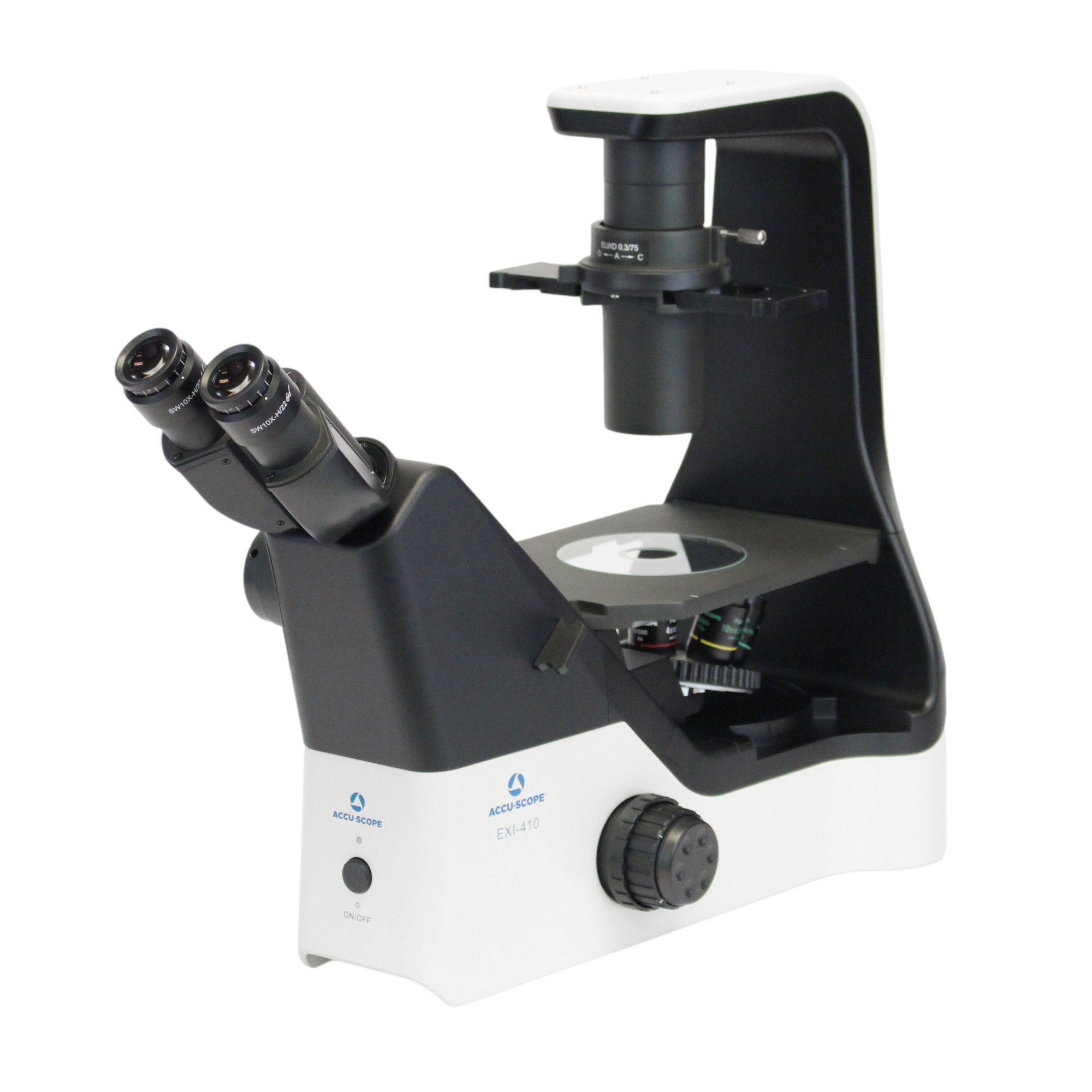
Begin by defining exactly what you need to observe. Routine cell culture screening may require a straightforward configuration with phase contrast and moderate magnification, while advanced research may call for fluorescence, high magnification, specialized contrast methods, digital imaging, or motorized components.
Next, consider your sample vessels. Choose objectives with enough working distance to focus effectively through the dishes, flasks, or plates you routinely use. High-magnification objectives can provide greater detail when you need to examine individual cells or fine cellular structures, but lower magnifications often provide the wider field of view needed for routine culture evaluation.
Think about both today’s requirements and tomorrow’s. If you anticipate adding fluorescence imaging, cameras, environmental controls, or automation, selecting an expandable system now may provide better long-term value.
Finally, balance the initial purchase price against optical quality, configuration flexibility, accessories, technical support, and service availability. The lowest-cost microscope may not be the best value if it cannot accommodate the imaging methods or upgrades your laboratory will eventually require.