
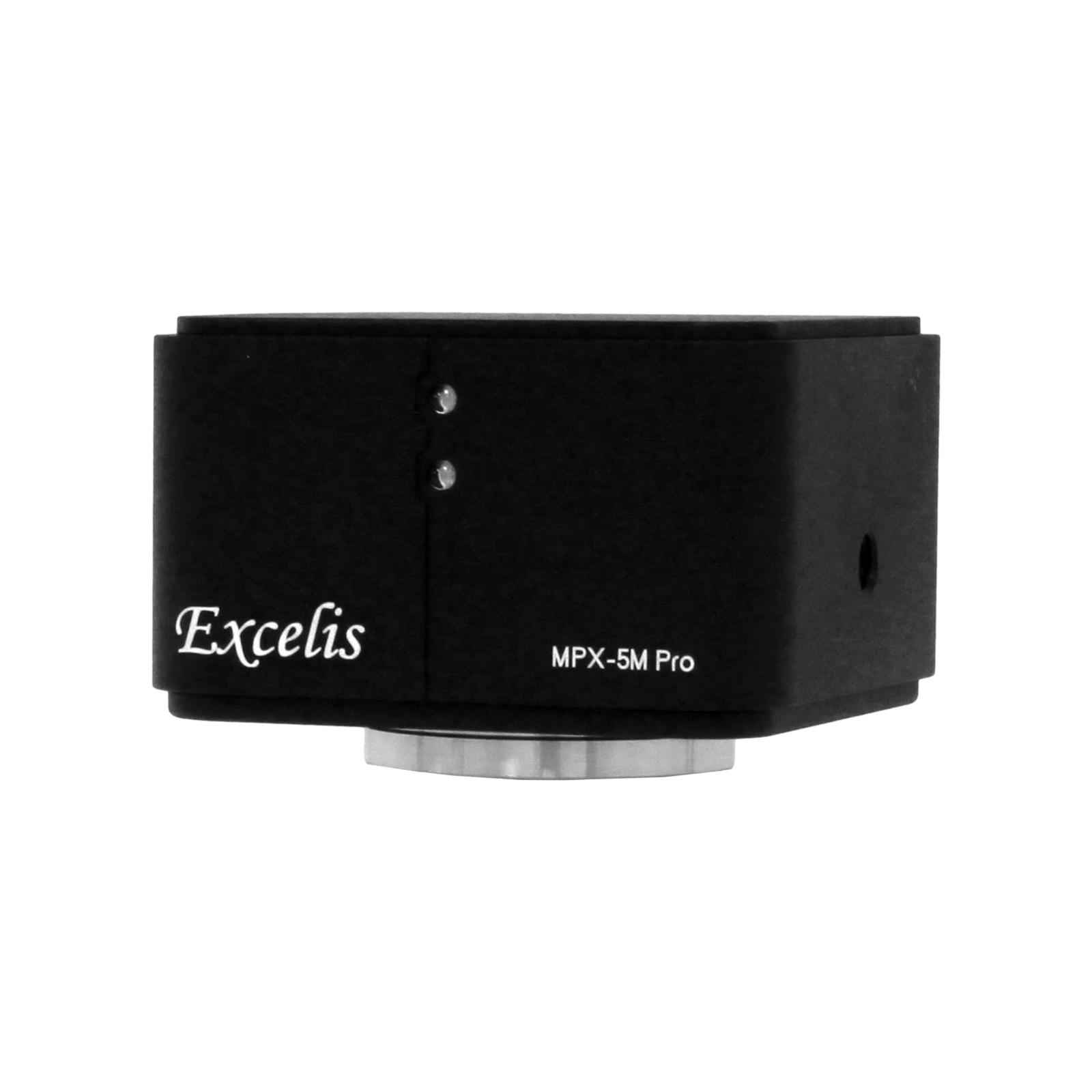
EXCELIS™ MPX-5M Pro

EXCELIS™ MPX-5M Pro

The Excelis™ MPX-5M Pro monochrome camera is built for the signals that other cameras struggle to see. It is the monochrome sibling of the MPX-5C Pro, and without the color filter array that sits over a color sensor, every pixel is free to collect the maximum amount of light. The result is higher sensitivity, true full-resolution detail and cleaner images in dim fluorescence, darkfield and other low light level applications. A Sony Pregius CMOS sensor delivers extremely low noise, while the global shutter, high frame rate and USB 3.0 connectivity ensure stunning live views of the specimen. The new CaptaVision+ software also brings a new dimension to imaging with real-time stitching, real-time intelligent flatfield correction, depth of field fusion, dynamic measurements, and much more!


KEY FEATURES


Maximum Sensitivity for Low Light Imaging

When the signal is faint, every photon counts. The Excelis MPX-5M Pro pairs a monochrome Sony Pregius sensor with 3.45µm pixels to capture dim fluorescence and other low light samples at a fast 35fps via USB 3.0 connection. Exposures up to 15 seconds let you build up signal from the weakest specimens, and pixel binning trades resolution for even more sensitivity when you need it. View live images and control all features of the MPX-5M Pro with our FREE CaptaVision+ software for Windows and MacOS.
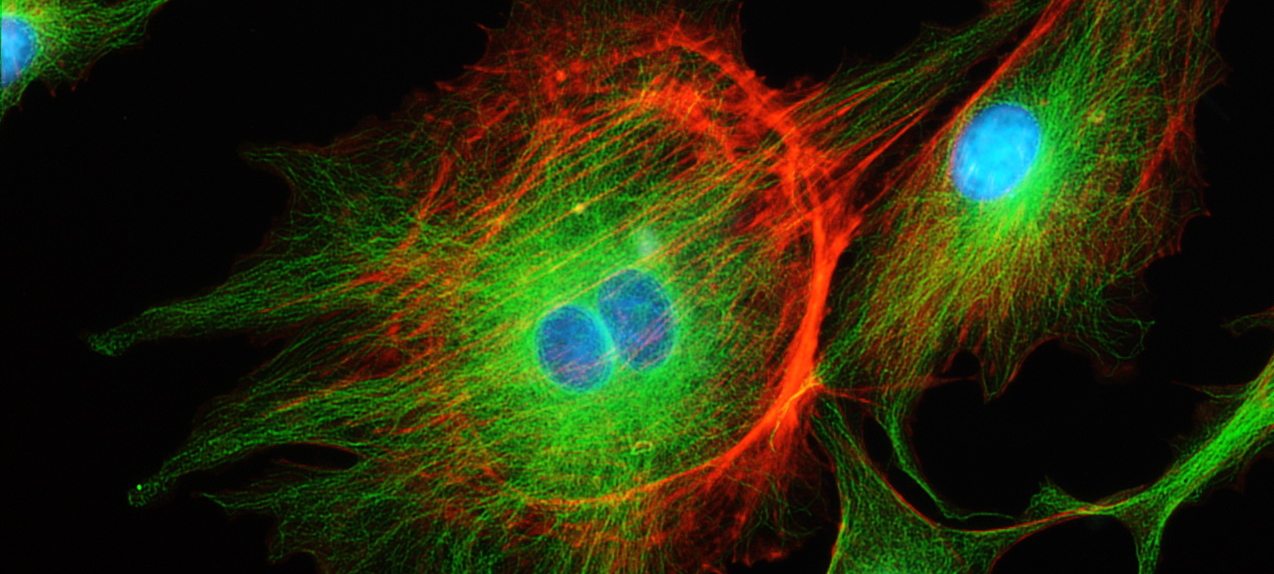
 

Why Monochrome? The Case for a Monochrome Sensor in Low Light

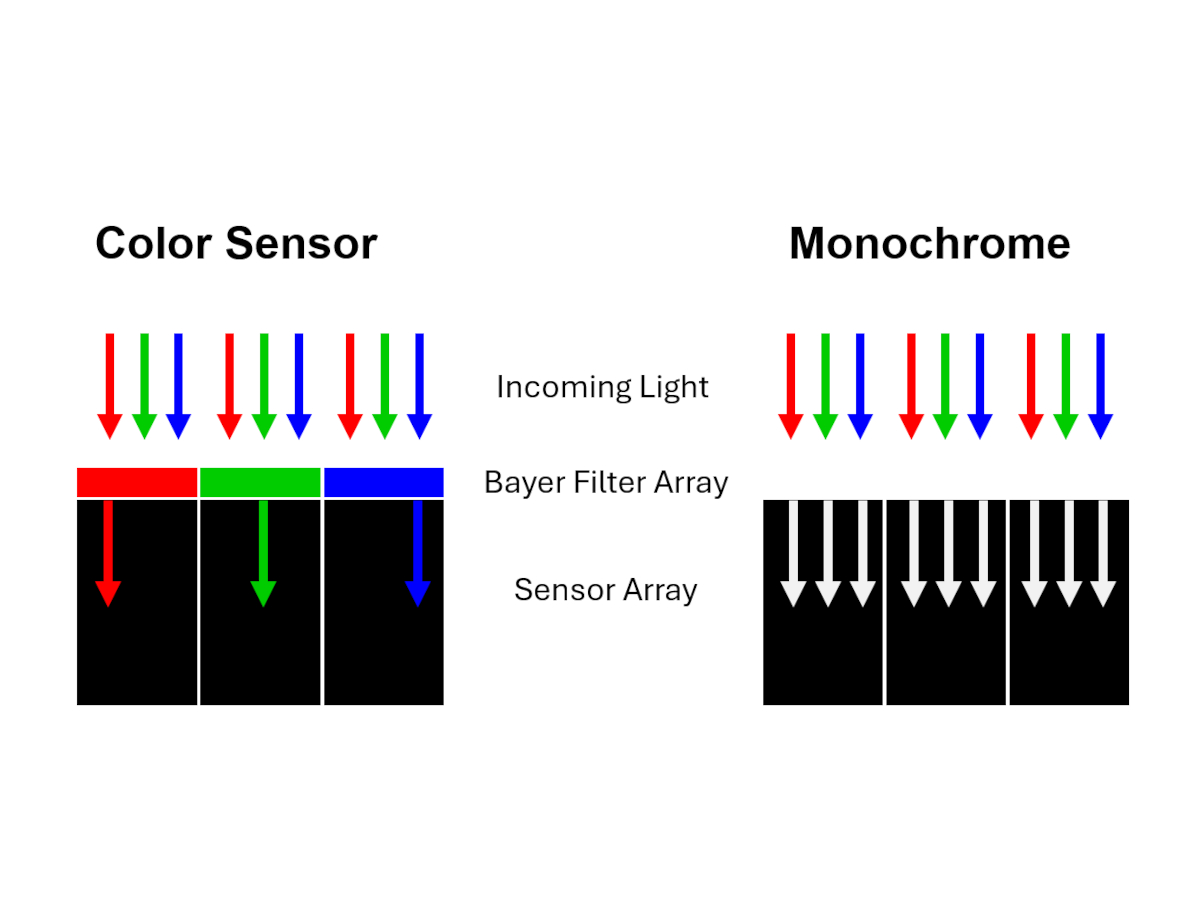
A color camera is a monochrome camera with a filter placed in front of it. A color sensor has a mosaic of red, green and blue filters over its pixels (a Bayer filter), and each filter blocks much of the light that is not its own color. In a bright brightfield image that cost is barely noticeable. In a low light application, where photons are scarce, it matters a great deal. A monochrome sensor has no such filter, so:

  • Higher sensitivity. Every pixel collects light across the full spectrum the sensor can detect, rather than discarding most of it. You see dimmer signals, or you capture the same signal with a shorter exposure.
  • Better signal-to-noise. More collected signal against the same sensor noise means cleaner images, with more detail visible in faint structures.
  • Gentler on living samples. Shorter exposures and lower excitation intensity reduce photobleaching and phototoxicity, helping you keep fluorophores bright and cells healthy over a longer experiment.
  • True full resolution. On a color sensor each pixel records only one color and the other two are estimated from neighbors. A monochrome sensor measures the actual intensity at every pixel, so all 5 megapixels contribute real detail with no interpolation artifacts.
  • Flexible multicolor imaging. Capture each fluorescence channel separately with the best filter for that dye, then merge the channels into a color composite in software. You get full sensitivity in every channel instead of compromising exposure and sensitivity for all of them.
  • Reliable intensity data. Monochrome images record intensity directly, which makes them well suited to quantitative analysis, counting and measurement. The 16-bit ADC option preserves subtle intensity differences.

If your work is fluorescence, darkfield, or any imaging where the specimen is dim, monochrome is the right sensor for the job.

Ideal for Low Light Applications

The MPX-5M Pro is a strong choice wherever light is limited, including:

  • Immunofluorescence and multi-channel fluorescence imaging
  • Live cell and time lapse fluorescence
  • Dim fluorescent labels and weakly expressed proteins
  • Darkfield imaging of faint or low contrast specimens
  • Materials and industrial samples with weak emission

It also performs well on routine brightfield and phase contrast samples when a monochrome image is what or all you need.

SONY Camera Sensor

At the core of the MPX-5C Pro is a Sony Pregius IMX264 CMOS camera sensor. Unlike rolling shutters in most camera, the global shutter of the IMX264 captures the entire frame at once, eliminating blur from moving specimens – this is ideal for living samples.  The IMX264 also features high sensitivity and low dark current, making the MPX-5M Pro an excellent match for demanding fluorescence imaging.

NDAA Compliant for Your Security

The Excelis MPX-5M Pro is fully compliant with the McCain National Defense Authorization Act 889 (NDAA 889)!  It does not use any electronics or components from prohibited suppliers. You can learn more at the Federal Register.

Powerful CaptaVision+ Software

Our FREE CaptaVision+ software brings excellent camera controls and new dimensions to imaging including real-time intelligent flatfield correction, dynamic measurements, automatic counting, and much more! 

For monochrome imaging, it includes fluorescence image settings and a multi-color channel mixer so you can merge separately captured channels into a single composite. Key software features include:

  • Intuitive & customizable user interface
  • Capture still images, record live and time lapse video
  • Simple calibration and measurements
  • Advanced control of exposure, gain, gamma, etc.
  • Fluorescence multi-channel capture and pseudo-color merge
  • Powerful image processing tools
  • Flexible report generation and data export

CaptaVision+ is available for both Windows and MacOS.  Learn more about CaptaVision+ HERE.

MPX-5M Pro vs. MPX-5C Pro

Choose the MPX-5M Pro when the specimen is dim and sensitivity matters most. Choose the MPX-5C Pro when you need color images of stained or naturally colored samples in a single exposure. Both cameras share the same Sony IMX264 Pregius sensor platform, resolution, speed and software.
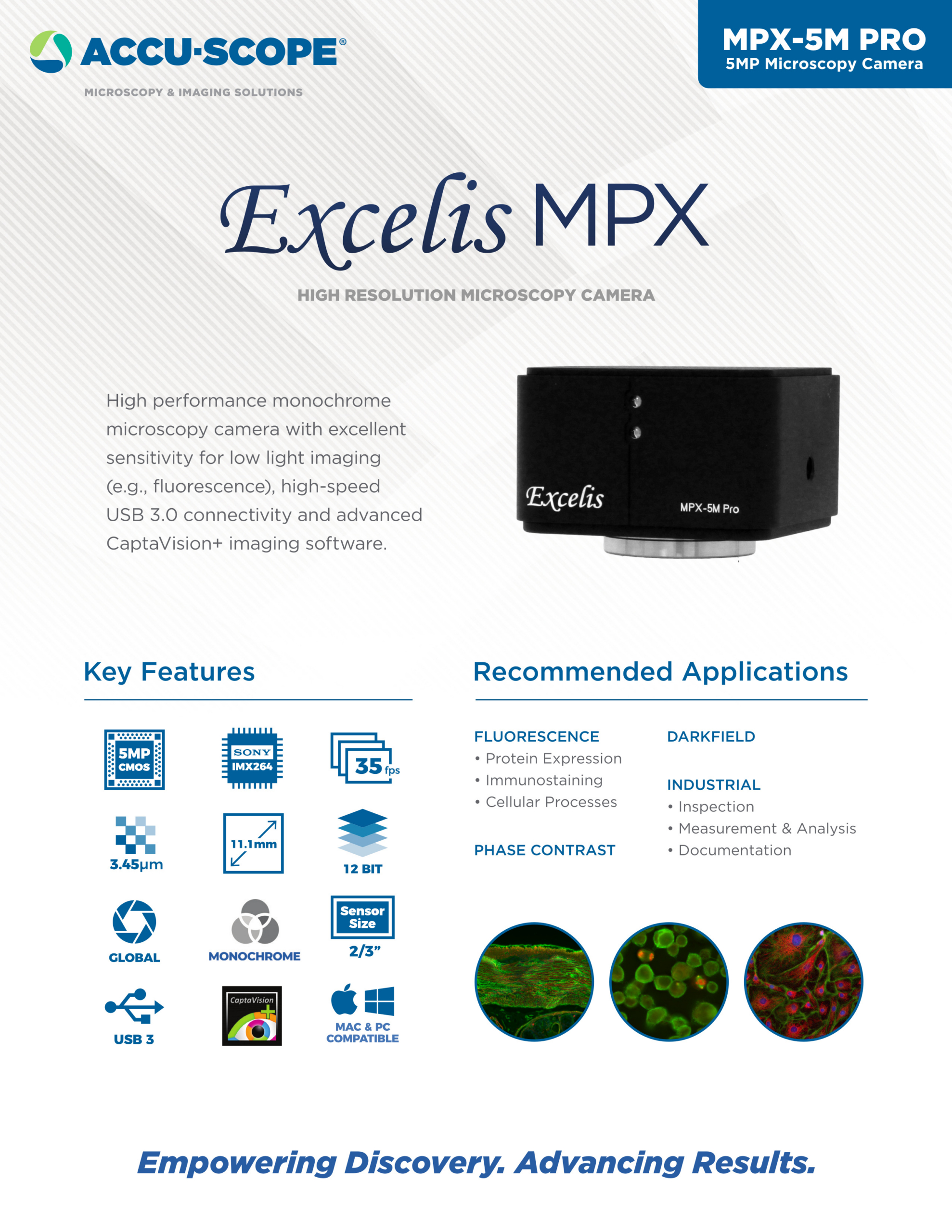

MPX-5M Pro
MPX-5C Pro
Sensor Type
Monochrome CMOS
Color CMOS
Sensor
Sony IMX264 Pregius
Sony IMX264 Pregius
Low Light Sensitivity
Highest: no Bayer color filter array
Excellent for routine imaging
Resolution
2448 x 2048; 5MP
2448 x 2048; 5MP
Frame Rate
35fps
35fps
Shutter
Global
Global
Exposure Time
0.13ms – 15sec
0.13ms – 15sec
Binning
2Ă—2, 3Ă—3, 4Ă—4
2Ă—2, 3Ă—3, 4Ă—4
ADC Depth
12-bit
8-bit / 16-bit
Interface
USB 3.0
USB 3.0
Multicolor Fluorescence
Capture each channel at full sensitivity, then merge
Single shot color capture, then merge
Best For
Low light fluorescence, darkfield, quantitative imaging
Color brightfield, histology, routine imaging
Model
AU-5M-CMOS
AU-5C-CMOS

Specifications
MODEL
AU-5M-CMOS
SENSOR
Sony IMX264 PREGIUS monochrome CMOS
SENSOR SIZE
2/3″; 0.65x C-mount adapter recommended
RESOLUTION
2448 (H) x 2048 (V); 5MP
PIXEL SIZE
3.45µm x 3.45µm
FRAME RATE
35 fps
SHUTTER MODE
Global
IMAGE TRANSMISSION
USB 3.0
IMAGE CAPTURE
USB to PC
EXPOSURE TIME
0.13ms – 15sec
READOUT NOISE
2.2e @ rms
DARK CURRENT
1e @ 50°C
MAX WELL CAPACITY
9500e
DYNAMIC RANGE
73dB
SNR max
40.2dB
QE
72% @ 530nm
BINNING
2×2
MANUAL SETTINGS
Gain, Gamma, Noise Reduction, Flatfield Correction, and more
ADC DEPTH
12-bit
OPERATING CONDITIONS
-10 – 40°C
DATA INTERFACE
USB3.0 or USB 2.0
POWER SUPPLY
Power over USB
CAMERA SIZE / WEIGHT
68 x 68 x 46mm / 327g
PC Imaging Software
CaptaVision+ Imaging Software (for PC/Windows and Mac OS)
Advanced Camera Controls: live and still image measurement and annotation, real-time flatfield, ROI and mask, histogram, smoothing;
fluorescence image settings; fluorescence multi-color channel mixer merge;
Image Types: JPG, PNG, TIF and DICOM (not available on Mac OS)
System Requirements (for PC Imaging Software)
Intel Core i5 processor (Dual Core or more); 16GB RAM or more; USB 2.0 Hi-Speed port or higher
Windows 7, 8, 10, 11 (64-bit recommended); Mac OS 10.4 or higher

Brochures (1)

Manuals (2)

CaptaVision+ v3.1 Software Manual

CaptaVision+ v3.0 Software Manual

Software (2)

CaptaVision+ for Windows (Version 3.1.2.3)

CaptaVision+ for MacOS (Version 3.0.8.9)

Get a Quote

"*" indicates required fields