
IVF Microscopes for Assisted Reproductive Technology (ART)

Every step in an in vitro fertilization (IVF) laboratory calls for a clear view of delicate cells. From locating oocytes to watching embryos develop, the right microscope helps embryologists perform detailed work with precision. ACCU-SCOPE provides precision microscopes, digital imaging systems, and accessories for clinical and life science laboratories.

An IVF microscope should match the work done at each station. Inverted microscopes allow close study of cells in culture dishes. Stereo microscopes offer a wider view for handling samples. Explore ACCU-SCOPE solutions built around optical performance and practical features.

ACCU-SCOPE Microscopes for IVF and Embryology

Different tasks call for different ways of viewing specimens. We offer inverted and stereo microscopes with optical and imaging options you can select to meet the lab’s needs.

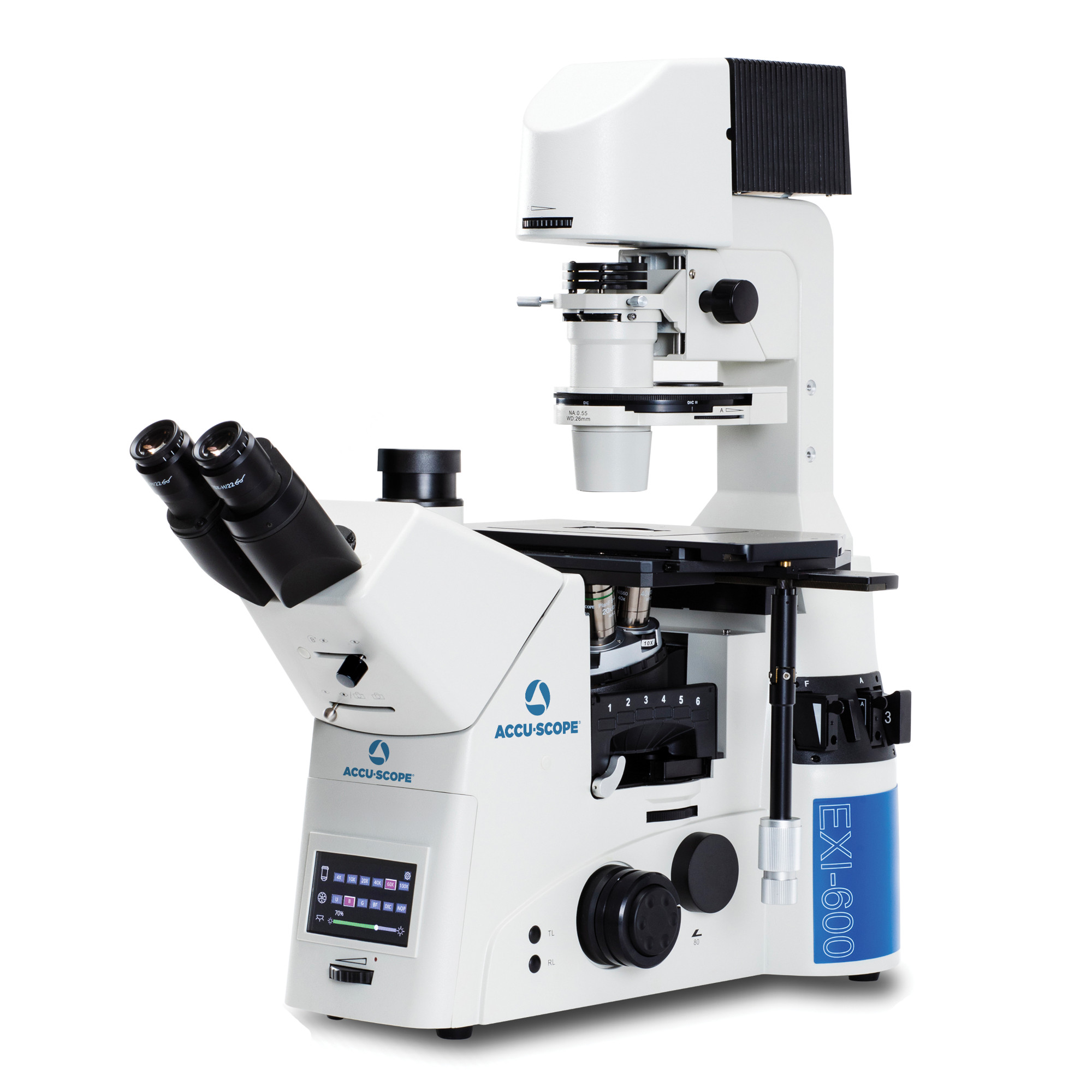
EXI-600 Research Inverted Microscope

The EXI-600 is a research-grade inverted microscope designed for advanced live-cell observation and imaging. Its stable, modular frame supports third-party accessories, making it a strong option for labs planning specialized work. Available viewing methods include brightfield, phase contrast, modulation contrast, differential interference contrast (DIC), and fluorescence. Three camera ports give users several image-capture options. For procedures such as intracytoplasmic sperm injection (ICSI), the laboratory should confirm the required micromanipulators and other accessories before choosing a setup.

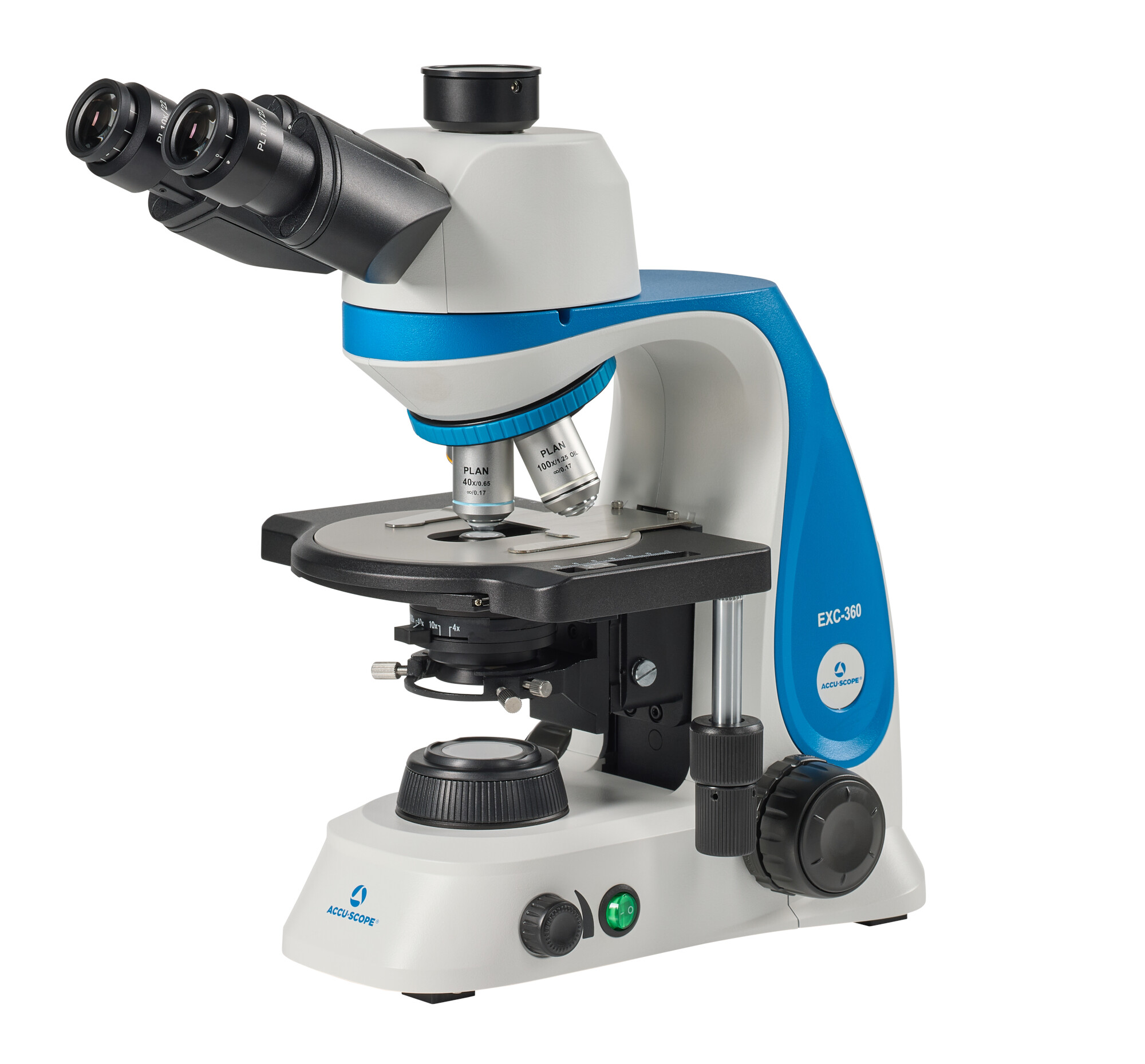
EXC-360 Clinical Microscope

The EXC-360 upright clinical microscope supports routine viewing of cells or tissue on slides.  When equipped with a heated stage, the EXI-360 can be an invaluable asset for observing and documenting sperm motility and overall health prior to in vitro fertilization (IVF) or artificial insemination procedures.

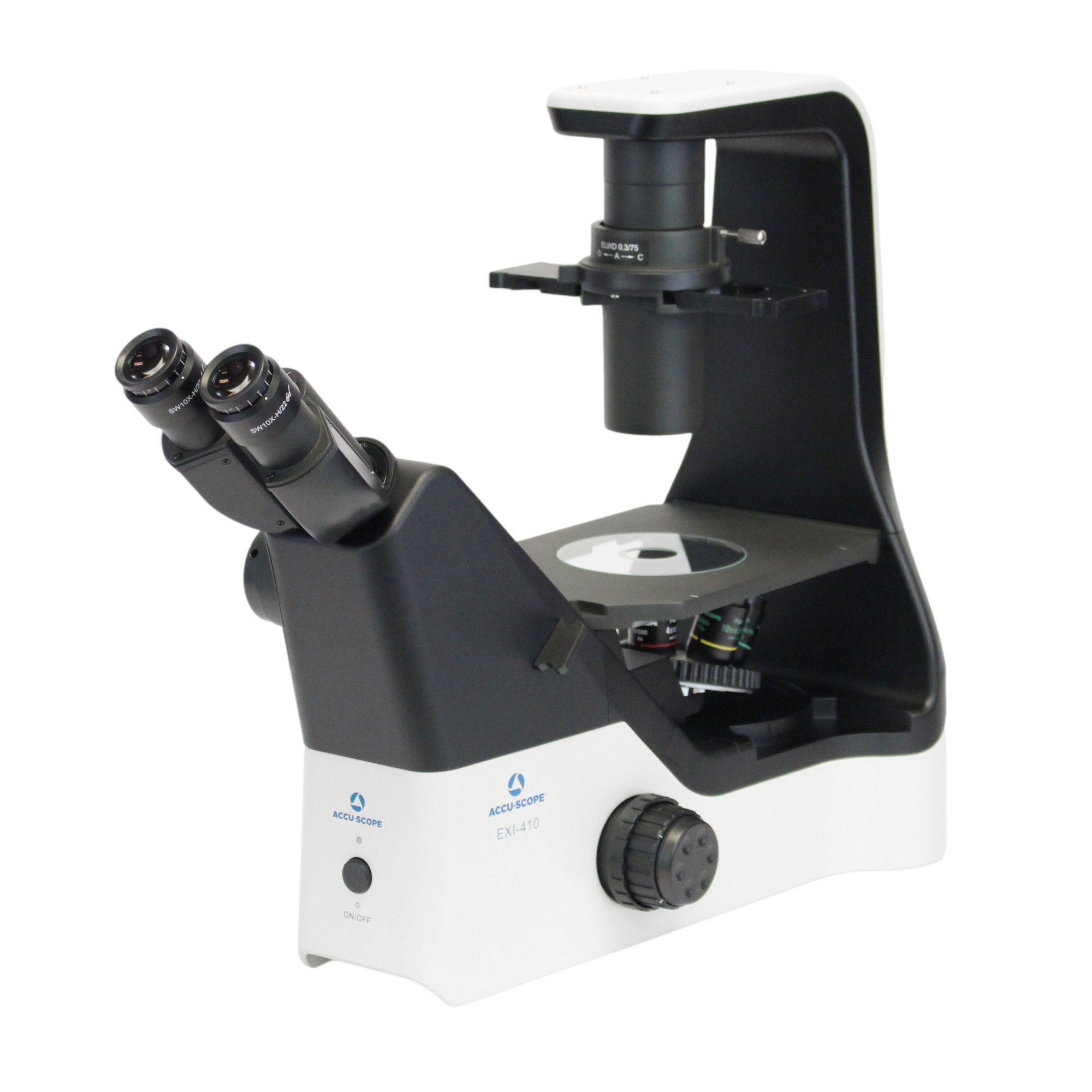
EXI-410 Inverted Microscope

The EXI-410 supports routine live-cell viewing in culture vessels. Available modes include phase contrast or fluorescence, each with optional emboss contrast, which gives cells a relief-like appearance. A stable frame, accessible controls, and optional stage accessories make sample viewing more comfortable. You can also add digital cameras with compatible adapters. This model is worth considering for observation tasks, depending on its role in the chosen IVF workflow.

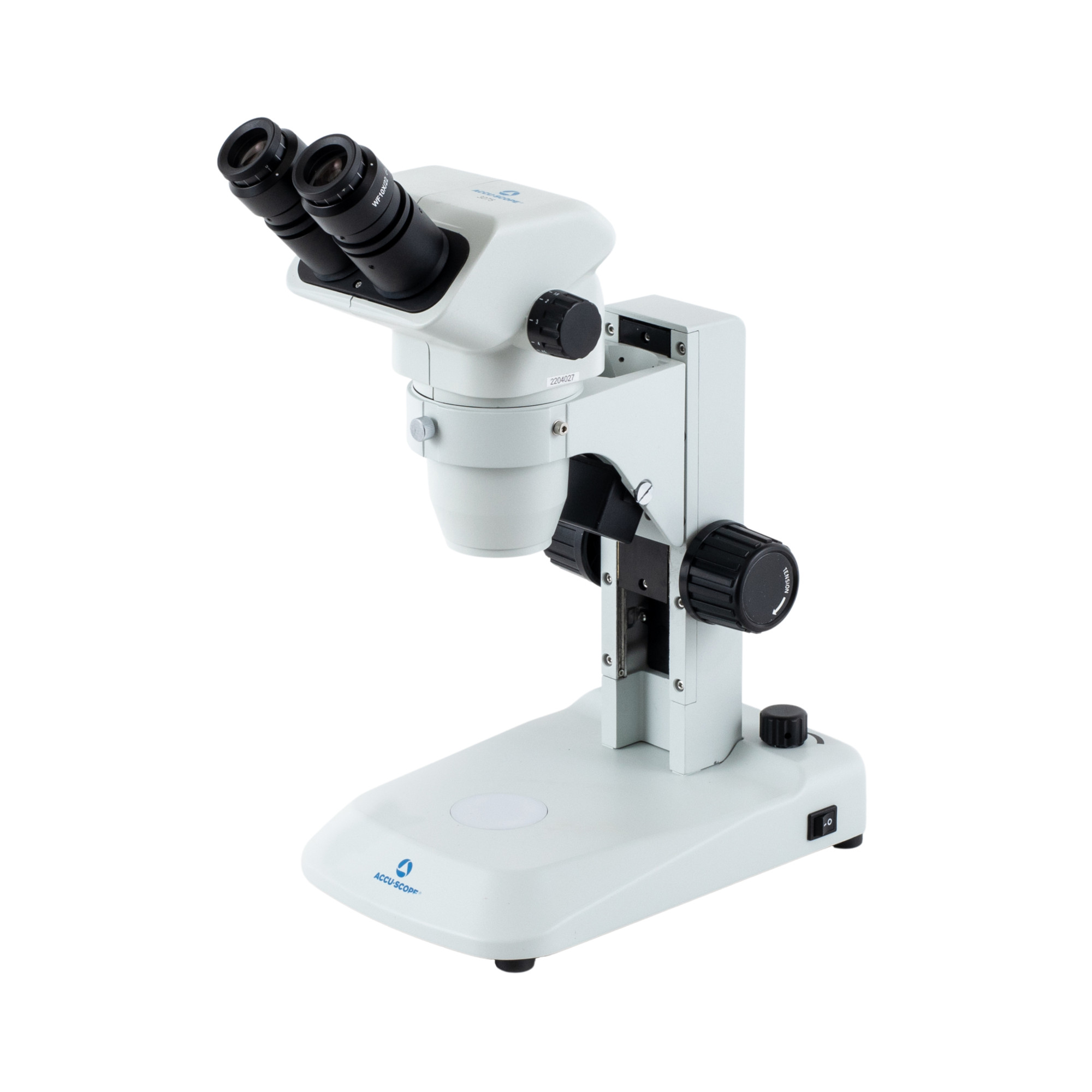
3075 Series Zoom Stereo Microscope

The 3075 Series offers a zoom view and a 100mm working distance, providing room to work around specimens. Embryology and IVF is listed among its applications. Binocular and trinocular viewing heads are available, along with stands and lighting options. A suitable diascopic stand can help users view samples with light from below. A trinocular version also supports camera-based documentation with the proper accessories.

EXI-600

The EXI-600 is ACCU-SCOPE's flagship inverted microscope for life science research applications.  The intelligent frame of the EXI-600 knows the objective and fluorescence filter cube position and light intensity and displays them right on the front of the microscope so you can work with confidence.  With 3 camera ports and multiple light path selections, you…

View product

EXC-360

The NEW EXC-360 from ACCU-SCOPE delivers exceptional optical performance, versatility and durability for clinical, veterinary and education laboratory environments. With infinity Plan Achromat objectives and brilliant LED illumination, the EXC-360 produces bright, high-resolution images. The trinocular head is ready to accept a microscopy camera (requires C-mount camera adapter) for documentation, analysis, and instructional purposes. The…

View product

EXI-410

ACCU-SCOPE's EXI-410 Inverted Microscope delivers outstanding optical performance, convenience, flexibility and value. Ideal for the daily rigors of tissue culture applications and more advanced observation methods, the EXI-410 features a newly designed NIS60 infinity-corrected optical path with long working distance Plan Achromat and semi-Apochromatic objectives and an extra-long working distance condenser. The EXI-410 is available…

View product

3075

The ACCU-SCOPE 3075 Series Zoom Stereo Microscopes are easy to use. Featuring a 0.67x – 4.5x zoom range, the 3075 Series delivers sharp, high resolution, 3-dimensional views of your samples. With binocular and trinocular viewing options, the 3075 Series provides robust, dependable performance with a variety of stands to suit your application. 3075 models have…

View product

Types of Microscopes Used in IVF Laboratories

Inverted Microscopes for Embryo Observation and Micromanipulation

An inverted microscope views specimens from below the culture vessel. This design leaves room above the dish for access to the cells and for tools used in micromanipulation. It is useful for looking at oocytes and embryos during phases of the IVF process. The EXI-600 offers a flexible platform for research imaging and compatible third-party equipment.

Stereo Microscopes for Oocyte Retrieval and Handling

Stereo microscopes give a wider, three-dimensional view at lower magnification. Embryologists use them to locate and handle oocytes. Adjustable zoom lets users move from a broad view to a closer look without moving the sample. The 3075 Series offers stand and lighting choices for these tasks.

Upright Microscopes for Sperm Examination

Upright compound microscopes view specimens from above. They can support selected sperm examinations and the study of prepared slides. Magnification, lighting, and the testing method guide equipment choice. These microscopes serve different needs from the inverted systems used for embryo handling.

How Microscopy Supports IVF Laboratory Procedures

Oocyte Identification and Evaluation

After egg retrieval, laboratory staff must locate oocytes in collected fluid and examine them. Stereo viewing helps staff search through samples. Inverted viewing can support a closer look at cell features. Clear images make careful observation easier.

Sperm Examination and Fertilization

Microscopes are used during sperm examination and preparation. Some IVF procedures also use ICSI, in which a single sperm is injected into an oocyte with micromanipulation tools. The microscope must provide the view and working space required by that procedure.

Embryo Observation and Development

Embryologists observe embryos during culture to review visible changes as development progresses. Image clarity and steady sample positioning matter throughout this work. The microscope and accessories should fit the lab’s established handling methods.

Important Features to Consider

Optical Clarity & Contrast Methods

Living reproductive cells may be nearly transparent under ordinary light. Phase contrast makes cells easier to see without staining. Modulation contrast adds a relief-like view. DIC is another option on suitable systems. The best method depends on the sample, the vessel, and the microscope configuration.

Read more

Specimen Accessibility & Equipment Compatibility

Check working distance and the space around culture dishes. If the lab uses micromanipulators, confirm that the tools fit the chosen microscope and can reach the sample. Vessel type and any needed temperature-control equipment also matter. Do not assume that a microscope includes heating or manipulation tools unless those items appear in its specifications.

Read more

Ergonomics & Laboratory Efficiency

Embryologists may spend long periods at a microscope. A comfortable viewing height, smooth focus controls, and easy stage access can make routine tasks less tiring. A stable frame also helps users keep a specimen in view while making small adjustments.

Read more

Digital Imaging and Documentation for IVF

A camera can display the microscope image on a monitor and help staff save images for lab records, teaching, or review. We offer digital imaging solutions, including Excelisâ„¢ cameras and imaging software, for compatible microscopes. Camera ports and adapters vary by model. Check the parts together before ordering.

A monitor can also help colleagues view the same specimen without taking turns at the eyepieces. Before choosing a camera, consider resolution, live display needs, software functions, and the lab’s recordkeeping process. Cameras are optional on many microscope setups.

Find the Right IVF Microscope with ACCU-SCOPE

Your lab’s workflow should guide every equipment choice. ACCU-SCOPE pairs optical performance and practical features with support for selecting a suitable configuration. Discuss your IVF applications, imaging plans, and accessory needs with our team. Contact us for product guidance or help connecting with an authorized distributor.