
Industrial Microscopes

Optical inspection of industrial components is important for ensuring quality and performance, reducing failures and rework, and helping prevent potential injury. Whether using microscopes for assembly, measurement, quality control, inspection, or documentation, ACCU-SCOPE offers microscope and illumination solutions to fit the needs of your work and your work environment.

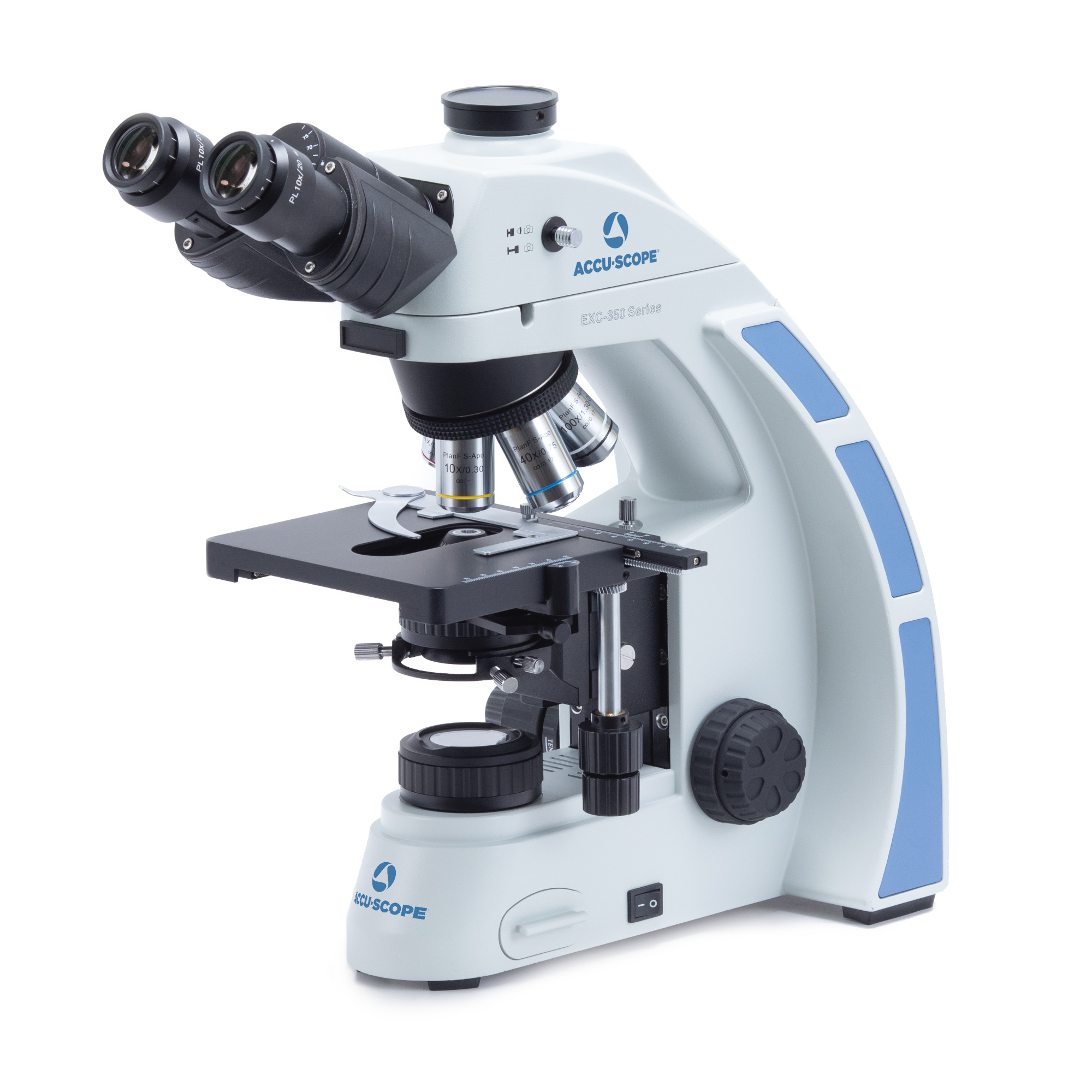
EXC-350

The EXC-350 from ACCU-SCOPE delivers a high level of optical performance, versatility and durability for clinical, veterinary and education...
Learn More

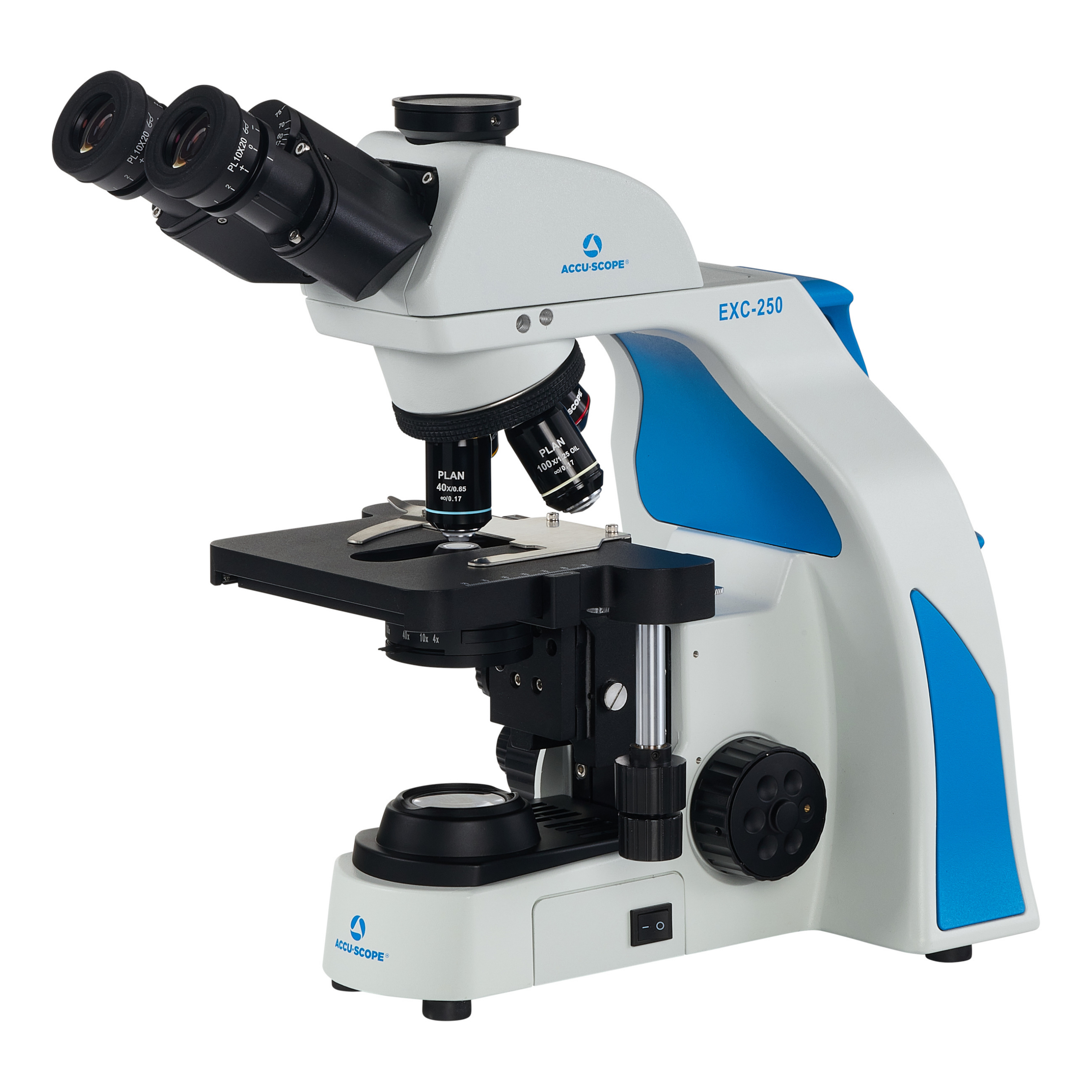
EXC-250

The NEW ACCU-SCOPE® EXC-250 Microscope Series is a fully redesigned laboratory and educational microscope built to deliver outstanding optical...
Learn More

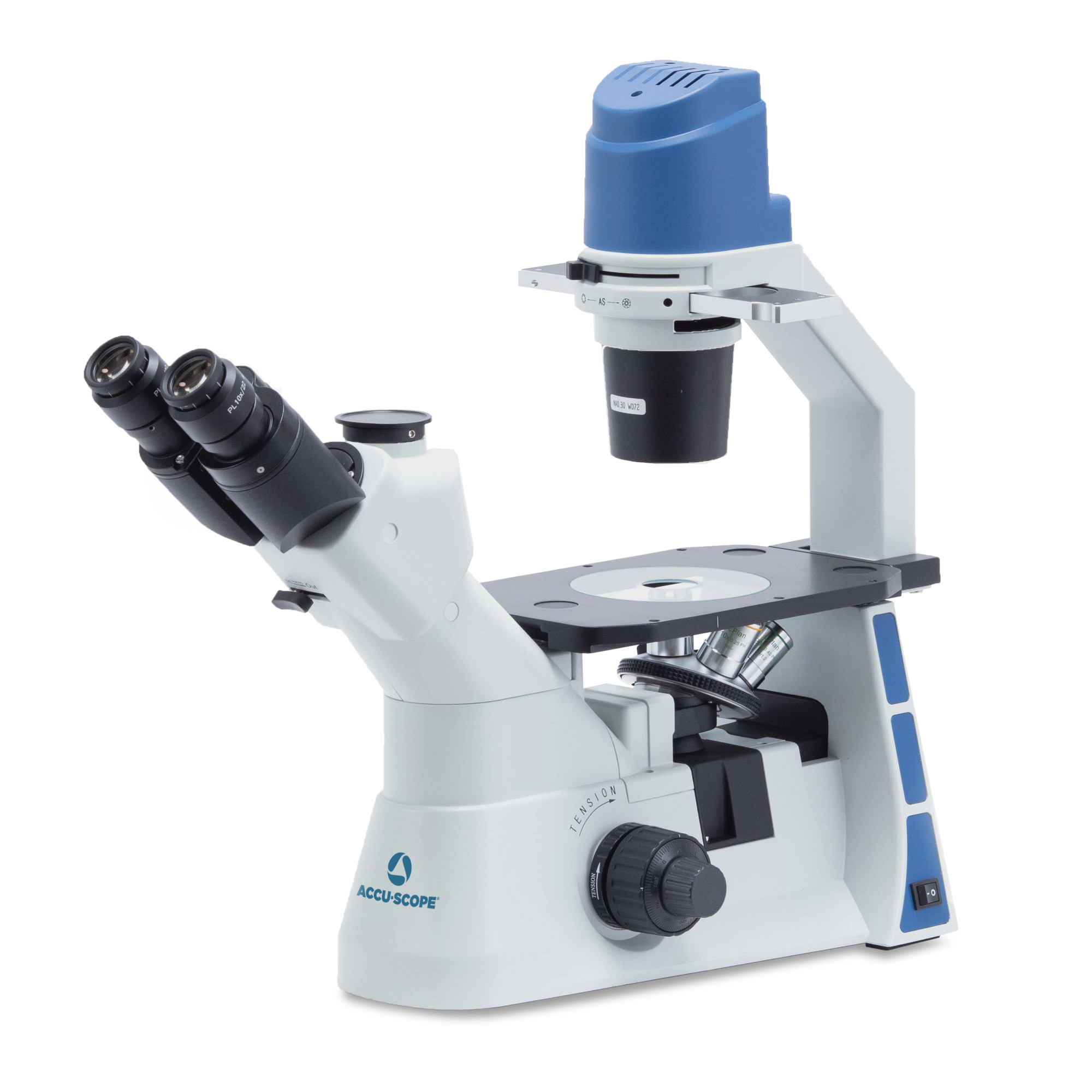
EXI-310

Utilizing ACCU-SCOPE’s AIS optical system and LED illumination for both diascopic (transmitted) and epi-fluorescence imaging, the EXI-310...
Learn More

Industrial Microscope Types

Different industrial inspection tasks require different optical configurations. Some applications involve examining large components at low magnification, while others require detailed analysis of microscopic surface features.

ACCU-SCOPE offers microscope systems for various inspection requirements, with options for specialized illumination and digital imaging.

Stereo Microscopes for Three-Dimensional Inspection

Stereo microscopes provide three-dimensional views of components and materials. Their optical design creates depth perception, making them well suited for inspecting assembled parts, solder joints, and irregular surfaces.

These microscopes typically offer generous working distances, allowing technicians to manipulate samples or use tools beneath the objective without obstructing the view.

Stereo microscopes are particularly useful for electronics assembly, component inspection, and quality control applications requiring frequent adjustment or manipulation of the specimen.

Compound Microscopes for High-Magnification Inspection

Compound microscopes provide the high magnification and optical resolution needed to examine fine structures and microscopic defects.

In industrial applications, appropriately configured compound microscopes can be used to evaluate polished sections, material microstructures, and thin coatings. They are particularly valuable when surface irregularities or structural details require closer examination.

Depending on the microscope configuration, transmitted illumination can support inspection of thin or prepared specimens, while reflected illumination is better suited for opaque materials.

Explore our upright microscopes to learn more about available optical configurations.

Inverted Microscopes for Large Samples

Inverted microscopes position their objectives beneath the specimen stage, providing an alternative approach to examining samples that may be difficult to accommodate on traditional upright systems.

For metallurgical inspection, specialized inverted configurations can accommodate bulky specimens and prepared cross-sections with flat inspection surfaces. This arrangement can simplify specimen positioning and provide access to larger industrial components.

Inverted metallurgical microscopes are useful when examining polished metal samples for material characteristics or manufacturing defects.

The appropriate configuration depends on specimen dimensions, stage capacity, and the required illumination method.

Digital Inspection Microscopes for Collaborative Workflows

Digital inspection microscopes allow users to examine magnified images on a computer or external display. Screen-based viewing provides a comfortable alternative to continuous observation through eyepieces, particularly during extended inspection sessions.

Digital imaging also makes it possible to capture photographs for documentation and quality control records. Compatible imaging software may provide additional capabilities for measurement and image analysis.

Shared viewing supports technician training, collaborative inspection, and discussion of potential defects without requiring multiple operators to use the microscope individually.

Explore ACCU-SCOPE’s digital imaging solutions to find cameras and software compatible with your inspection requirements.

Industrial Microscopes for Manufacturing and Materials Inspection

Industrial inspection microscopy involves examining manufactured parts and materials under magnification to evaluate their quality and condition.

Manufacturers across numerous industries rely on optical inspection to identify potential problems before components move into subsequent production stages.

In electronics manufacturing, microscopy helps technicians evaluate circuit boards, solder connections, and miniature components. Metalworking applications may require examination of surface imperfections or prepared metallurgical samples.

Automotive manufacturers use optical inspection for precision components, while medical device manufacturers may examine small assemblies and critical surface features.

By supporting accurate visual inspection, industrial microscopes help maintain production consistency and reduce the likelihood of defective products reaching customers.

Features to Evaluate in Industrial Microscopes

Selecting appropriate microscopy equipment requires an understanding of the optical and mechanical features that influence inspection performance. Evaluating these features together helps ensure that a microscope provides the optical performance and usability required for daily operation.

Magnification Range

Lower magnifications provide a broader field of view for inspecting larger components. Higher magnifications allow operators to examine smaller features and defects. Zoom microscopes offer flexibility when inspection requirements vary.

Read more

Working Distance

The space between the objective and specimen affects how easily technicians can position components or use inspection tools. Longer working distances are particularly useful for assembly and manipulation tasks.

Read more

Optical Resolution

Resolution determines the ability to distinguish closely spaced details. High-quality objectives and suitable illumination are essential for identifying fine surface defects.

Read more

Stage Stability

A stable microscope stage helps maintain specimen positioning during observation. Smooth focusing mechanisms and reliable mechanical construction also contribute to consistent inspection results.

Read more

Choosing the Right Microscope for Your Application

The right microscope should accommodate both the physical characteristics of the specimen and the level of inspection required.

Start by considering sample dimensions. Large assemblies may benefit from stereo microscopes with flexible stands, while smaller prepared specimens may require compound microscope configurations.

Next, determine the level of detail needed. Magnification should be considered alongside optical resolution because increasing magnification alone does not necessarily reveal additional information.

Surface characteristics also influence microscope selection. Reflective metals and opaque components generally require incident or reflected illumination, while transparent specimens may benefit from transmitted light.

For workflows involving documentation or collaborative analysis, consider a microscope that supports digital camera integration.

Matching these requirements to available configurations can improve inspection efficiency and operator comfort.

Frequently Asked Questions About Industrial Microscopes

What Is an Industrial Microscope Used For?

Industrial microscopes are used to inspect manufactured materials and components for defects, surface characteristics, and structural details. Common applications include quality control, component assembly, materials evaluation, and failure analysis.

Stereo microscopes are generally preferred for three-dimensional viewing, surface examination, and tasks involving specimen manipulation.

Compound microscopes provide higher magnification and are better suited to examining fine structures or prepared samples. The appropriate choice depends on the specimen and required level of detail.

Digital microscopy offers advantages when inspection workflows require image documentation, measurement, or collaborative review.

Compatible camera systems and imaging software allow operators to capture and share observations. However, optical performance and inspection requirements remain important considerations when selecting a digital system.

Complex specimens often benefit from flexible illumination options and application-specific optics. Layered materials, reflective surfaces, and irregularly shaped components may require different lighting techniques or specialized microscope accessories.

The best configuration depends on which specimen characteristics must be examined.

Explore ACCU-SCOPE Industrial Microscopes

ACCU-SCOPE provides professional microscopy and imaging solutions for industrial inspection and manufacturing applications.

Explore our industrial microscope options to compare optical configurations, magnification capabilities, and available accessories.

Need assistance selecting the right system? Contact ACCU-SCOPE to discuss your inspection goals and find a microscope solution suited to your workflow.